Reporting
Often copied, but never beaten.
We produce fundamentally clear to interpret, comprehensive and succinct reports. We don't seek to confuse readers with technical jargon or unnecessary reproductions of technical guidance; it's not our style.
If it's not worth saying, we don't say it.
We don't just state an opinion. We demonstrate it.
Arboricultural Impact Assessments & Method Statements
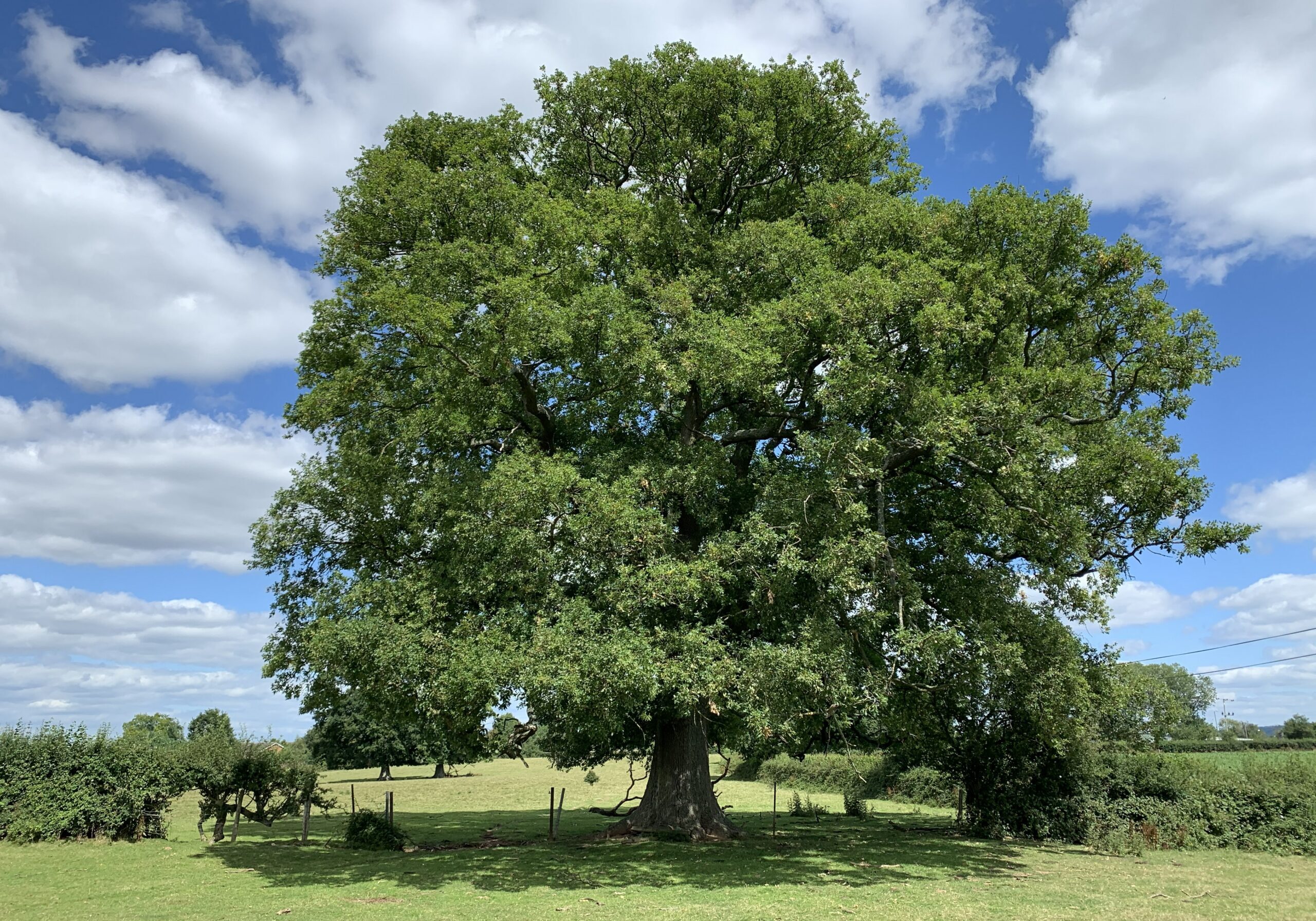
Aspect can assist by preparing Arboricultural Impact Assessments (AIA) and Method statements (AMS) in accordance with BS5837:2012, underpinned by comprehensive tree survey information.
Planning support and validation
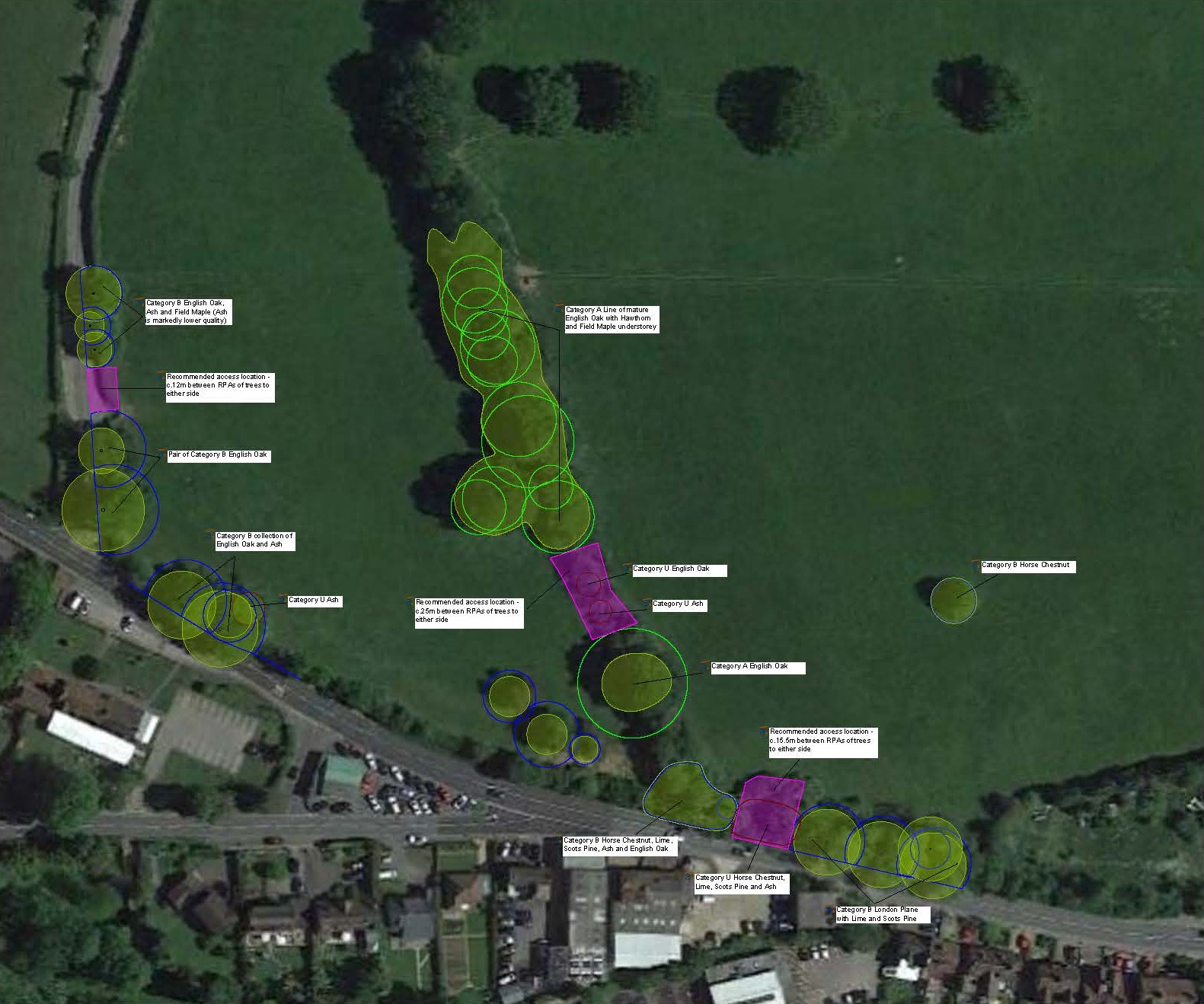
Tree surveys and associated arboricultural reports play a key role in supporting planning submissions. Some local authorities require an Arboricultural Impact Assessment to validate an application, making early consideration of tree constraints an important part of the planning process. At this stage, it is important to demonstrate that existing trees have been properly assessed and that those prioritised for retention have been integrated into the design. Clear, evidence-based reporting can help support the determination process by showing how arboricultural constraints and opportunities have informed the proposals. The process is broken down into three key stages:
- Undertaking a detailed and robust tree survey which forms the basis of tree constraints drawings that detail both below and above ground constraints
- Assessing the architect’s proposed layout through combining with the tree survey to understand the relationship between the development proposals and existing tree stock. This iterative process involves collaboration with the client, architect and other technical disciplines to suggest any layout adjustments and address tree-related concerns
- Once the final layout is agreed upon, Aspect will prepare a bespoke AIA or AMS document for submission with the planning application.
Our goal is to ensure that the proposals are both supportable and justifiable from an Arboricultural perspective whilst maximising development potential.

Woodland Management Plan
Woodland management planning
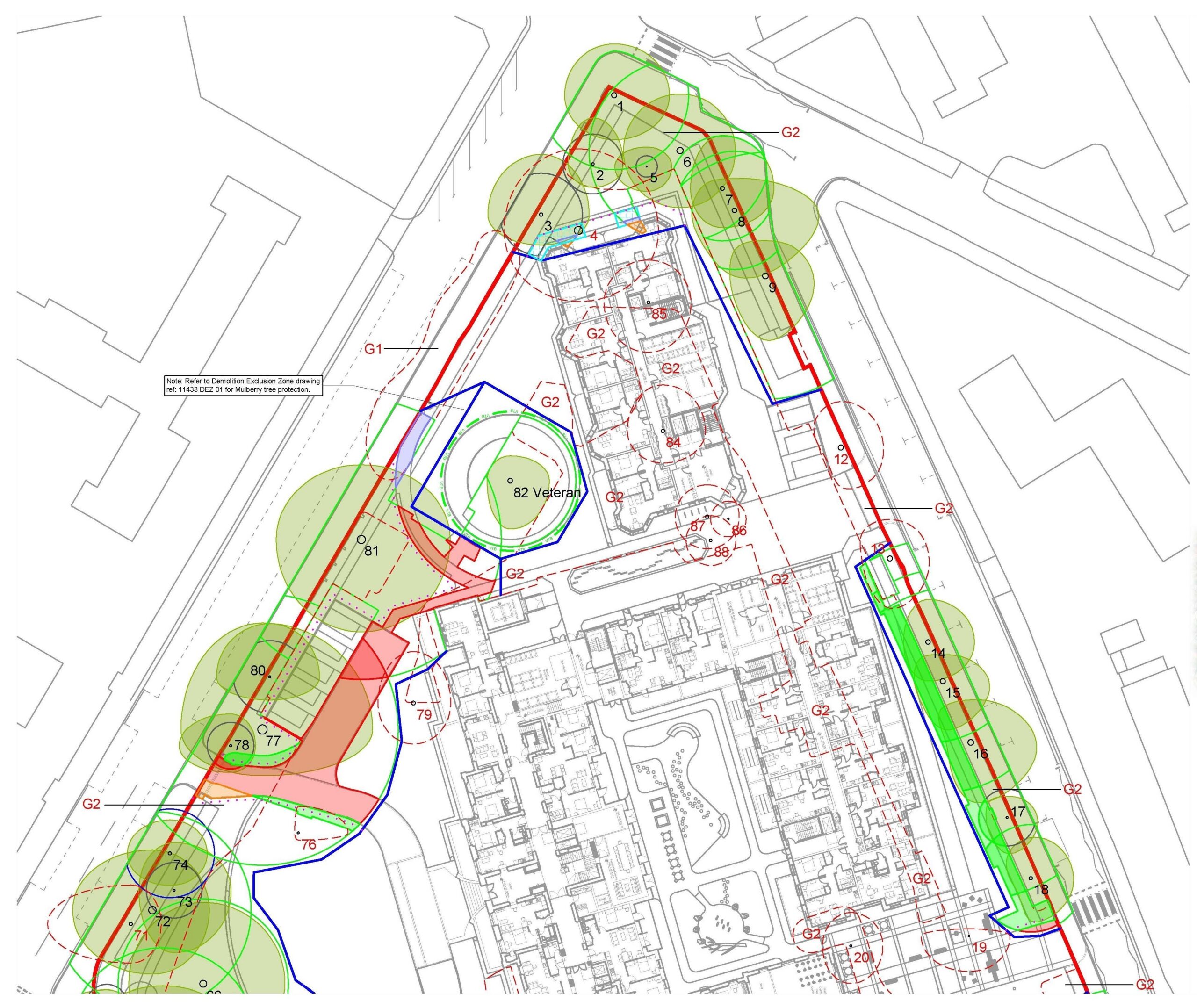
Underpinned by sustainable forest management principles, we prepare detailed reports, plans and proposals for a wide range of woodland settings. Our work is tailored to the character of each woodland and the specific management objectives of the client, whether the focus is conservation, amenity, safety, access, biodiversity, long-term resilience or practical woodland operations.
Alongside Woodland Management Plans, we provide woodland stock assessments, tree work specifications and tree risk management surveys. These services are prepared with reference to relevant British Standards and industry guidance, helping to ensure that woodland areas are managed responsibly, safely and effectively—particularly where public access is encouraged or required.
CAVAT Assessment
What a CAVAT assessment does
A CAVAT assessment — Capital Asset Value for Amenity Trees — is used to calculate the monetary value of trees in public spaces. It provides a recognised way to assess amenity value, support compensation claims where trees are damaged or removed, and inform strategic decisions about tree management across a site, community or wider area.
Common uses
- Planning applications where tree removal is proposed
- Legal disputes involving tree damage or loss
- Urban forest management strategies, where understanding the value of existing tree stock supports informed decision-making
Factors considered
A CAVAT assessment considers a range of factors, including tree species, size, canopy spread, health and condition, accessibility, visual prominence and the surrounding environment.
How Aspect can help
CAVAT is widely used by local authorities across the UK. When engaging with officers, an independent and knowledgeable opinion is essential. Aspect has extensive experience providing unbiased assessments of affected trees’ value, helping clients enter negotiations with clear, evidence-based advice.
Due Diligence
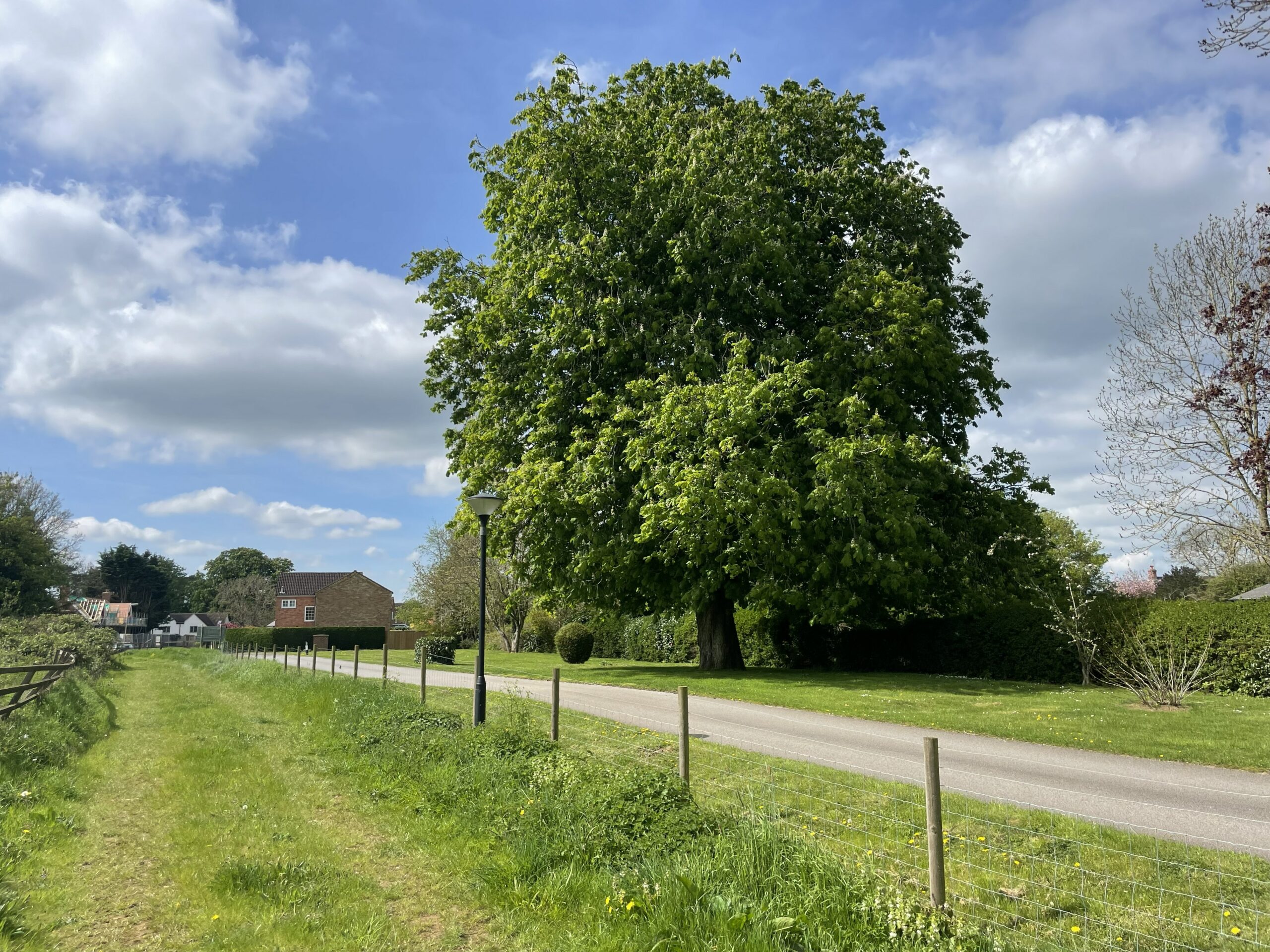
Our Due Diligence services provide clear, independent assessments to support informed decisions before purchases, investments or development commitments are made.
We help identify arboricultural risks and constraints relating to trees, Tree Preservation Orders, planning policy and site-specific regulations. Whether you are involved in a property transaction, development project or land management decision, our advice helps clarify potential issues at an early stage.
Our due diligence reports are designed to help clients manage risk, avoid costly delays or mistakes, and proceed with confidence that tree-related matters have been properly considered in line with relevant requirements and sustainable management principles.
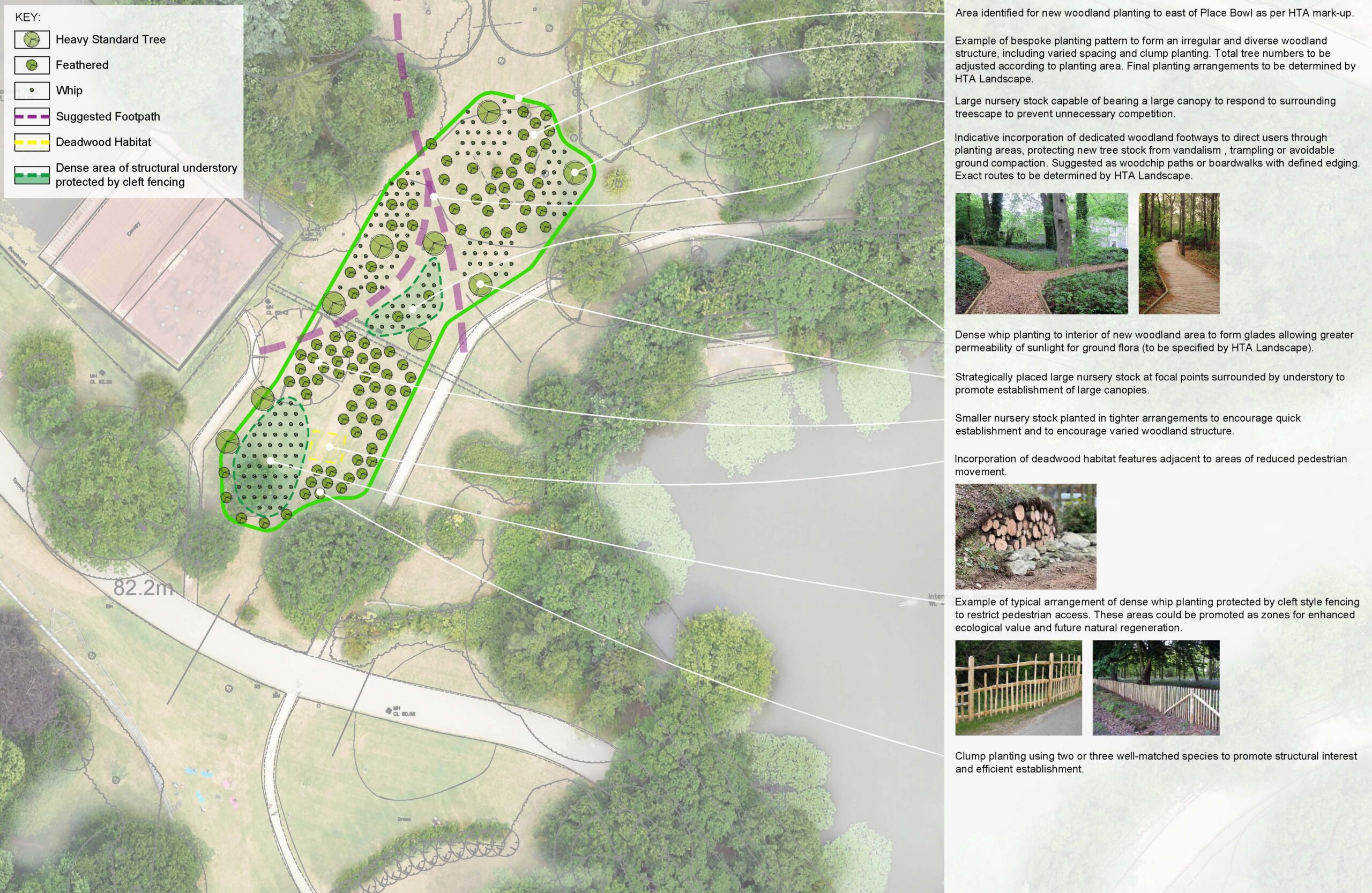
Vision Documents
An Arboricultural Vision Document provides a clear strategic framework for the long-term management, retention and enhancement of trees within a landscape, potential development site or existing green space. It sets out practical, achievable objectives for tree care, growth and sustainability, helping to align arboricultural priorities with wider design, ecological and community goals.
Aspect prepares tailored Vision Documents for a range of contexts, including urban parks, new developments and the enhancement of established green infrastructure. Each document draws together best practice, environmental considerations and future-focused management strategies, providing a clear roadmap to help trees thrive over the long term while supporting both ecological value and community benefit.