London Chest Hospital
Overview
The veteran Mulberry Tree at the former London Chest Hospital is widely regarded as one of the most significant and well-documented trees in England.
Retaining the tree while enabling redevelopment presented an exceptional challenge. Decades of disturbance, wartime damage, structural decline and intense public scrutiny created a highly sensitive and technically demanding project. Previous proposals attracted more than 16,000 objections, placing the tree at the centre of a high-profile planning debate.
Over seven years, we developed and delivered a bespoke strategy to secure the tree's long-term future. Through specialist interventions, ongoing monitoring and stakeholder engagement, we protected the Mulberry Tree, preserved its genetic legacy and successfully integrated it into the approved redevelopment.
This project demonstrates how development, heritage and arboriculture can work together to achieve an outstanding outcome.
The Context
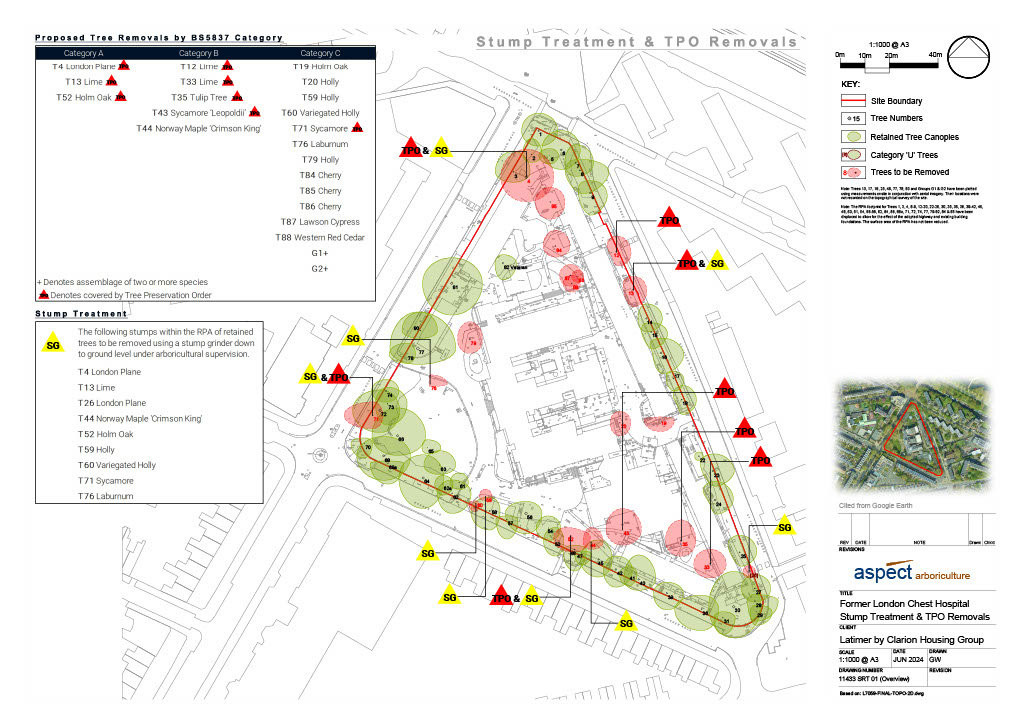
Aspect Arboriculture was appointed by Latimer, part of Clarion Housing Group, to provide arboricultural advice for the redevelopment of the London Chest Hospital site and oversee the care of the veteran Mulberry Tree.
As an irreplaceable habitat and a tree of exceptional historic, cultural and arboricultural significance, it required a level of consideration far beyond conventional practice.
Working closely with stakeholders, campaign groups and the wider consultant team, we developed a strategy that protected the tree throughout demolition and construction while enabling it to thrive within the future residential setting.
Alongside securing its retention, we established a successful propagation programme to preserve its genetic lineage for future generations.
A Bespoke Solution
No standard approach existed for a tree of this significance and condition.
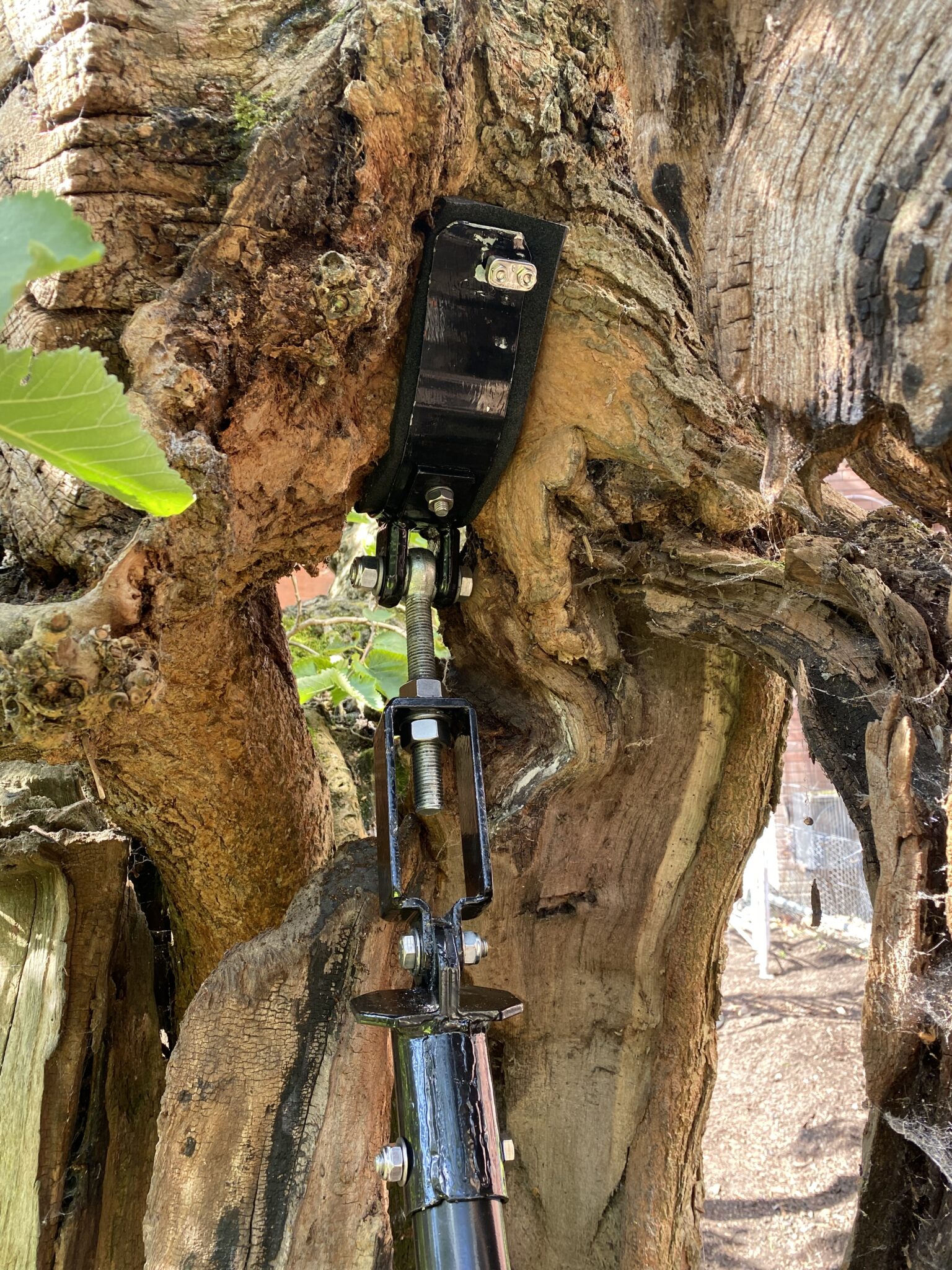
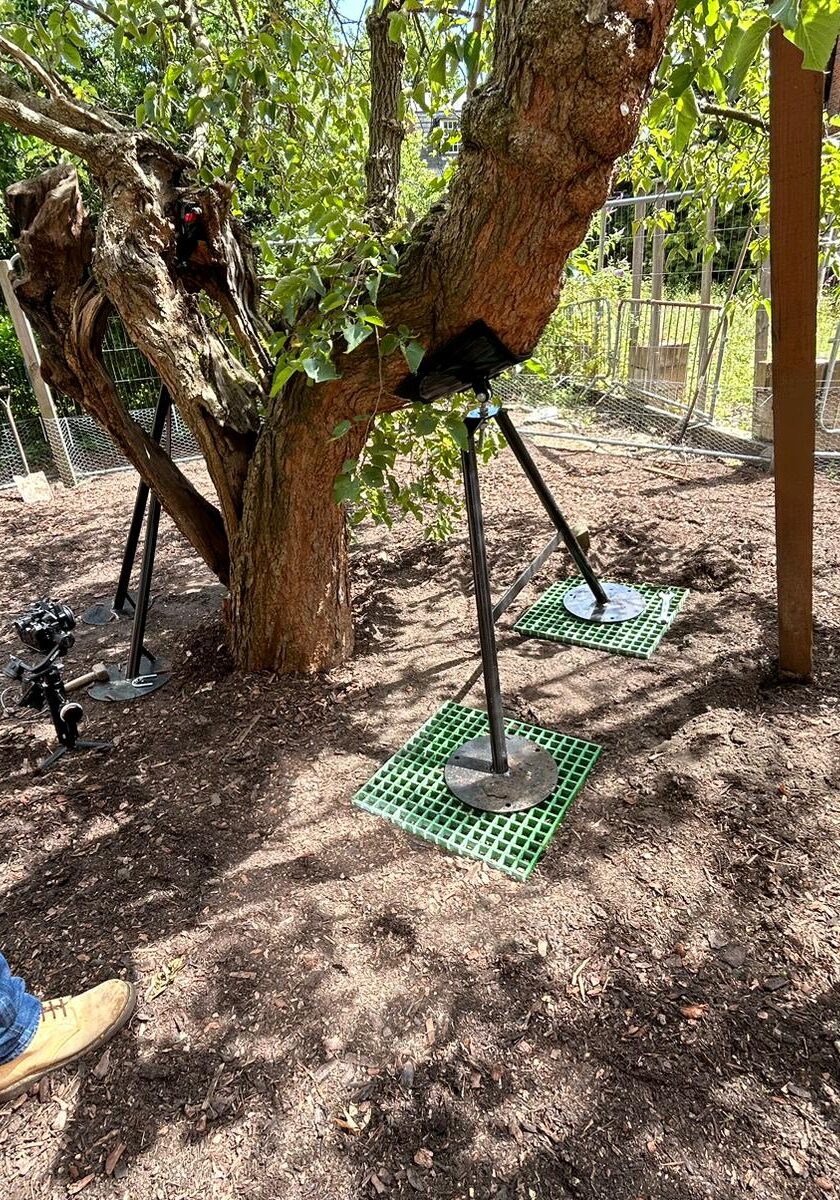
We developed a tailored package of interventions designed to support the tree's long-term health, stability and retention, including:
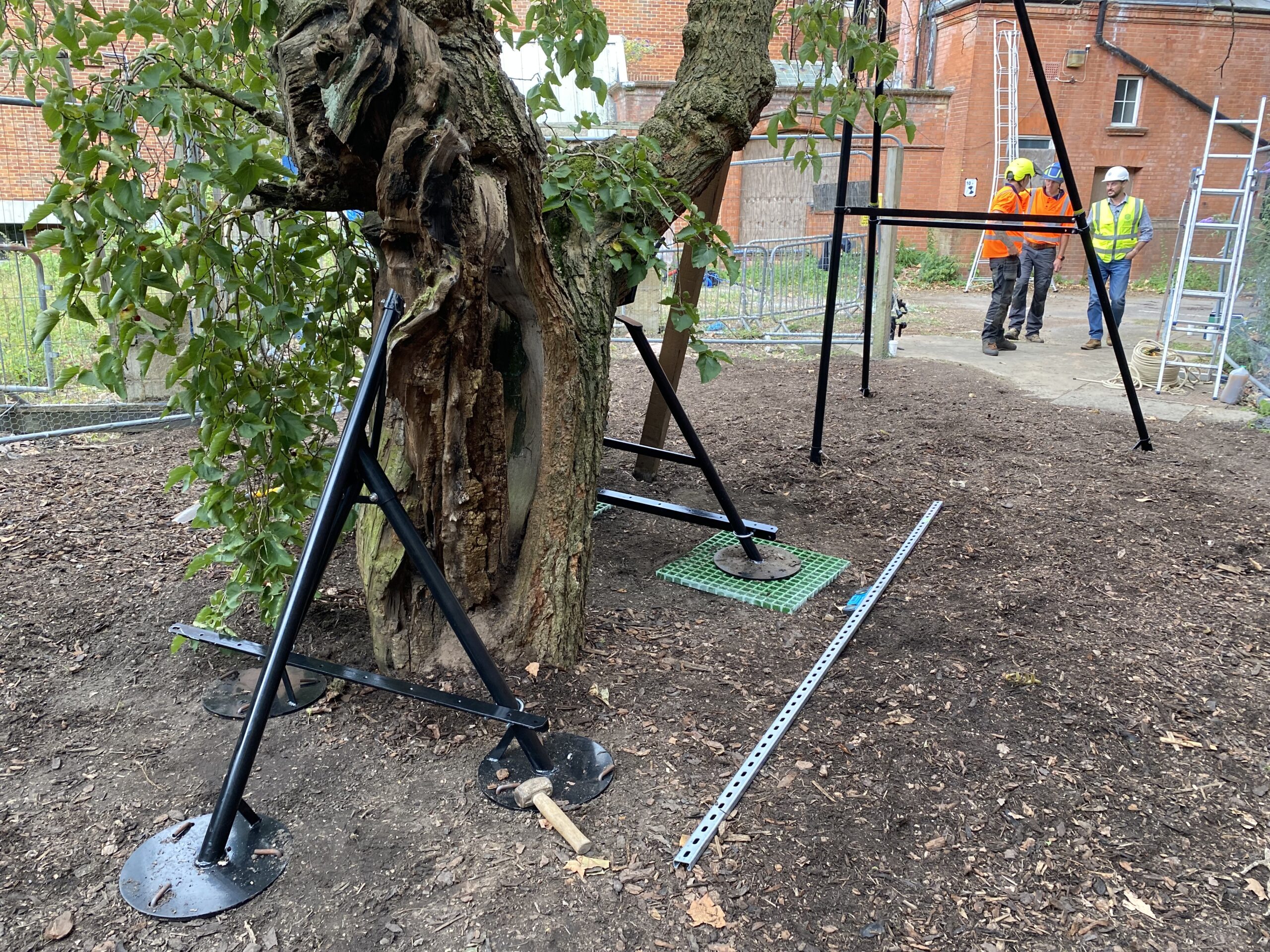
- Custom-engineered steel props to support heavily loaded limbs.
- Long-term watering, mulching and nutrient management.
- Installation of aerial root bags to improve vitality.
- Structural monitoring using PiCUS Tree Motion sensors and lean assessments.
- Bespoke demolition and construction methodologies.
- Long-term proposals to celebrate and integrate the tree within the completed development.
Equally important was securing support from key stakeholders, helping build confidence in the proposals and establish a shared vision for the tree's future.
Preserving the Legacy
Retaining the Mulberry Tree was only part of the solution.
Working with specialist nurseries, we implemented a propagation programme to preserve its unique genetic heritage. Cuttings were successfully grafted and propagated, creating multiple genetically identical descendants.
These new trees provide a vital safeguard against future loss while ensuring the legacy of this remarkable specimen can continue well beyond the site itself.

The Outcome
The veteran Mulberry Tree remains at the heart of the development with a secure and sustainable future.
Through technical innovation, careful stewardship and collaborative engagement, we prevented structural failure, secured the tree's retention and established a framework for its long-term management.
Project Highlights
- Retention of one of England's most celebrated Mulberry Trees.
- Bespoke structural support solutions.
- Protection throughout demolition and redevelopment.
- Successful propagation of genetically identical descendants.
- Positive engagement with stakeholders and interest groups.
- Enhanced opportunities for future public appreciation.
- Long-term management beyond the planning process.
A Project We're Proud Of
Few projects demand the level of technical expertise, innovation and commitment required at the London Chest Hospital.
After seven years of involvement, we secured the future of the Mulberry tree and demonstrated how evidence-led arboriculture can unlock development while protecting the heritage and character that make a place unique.