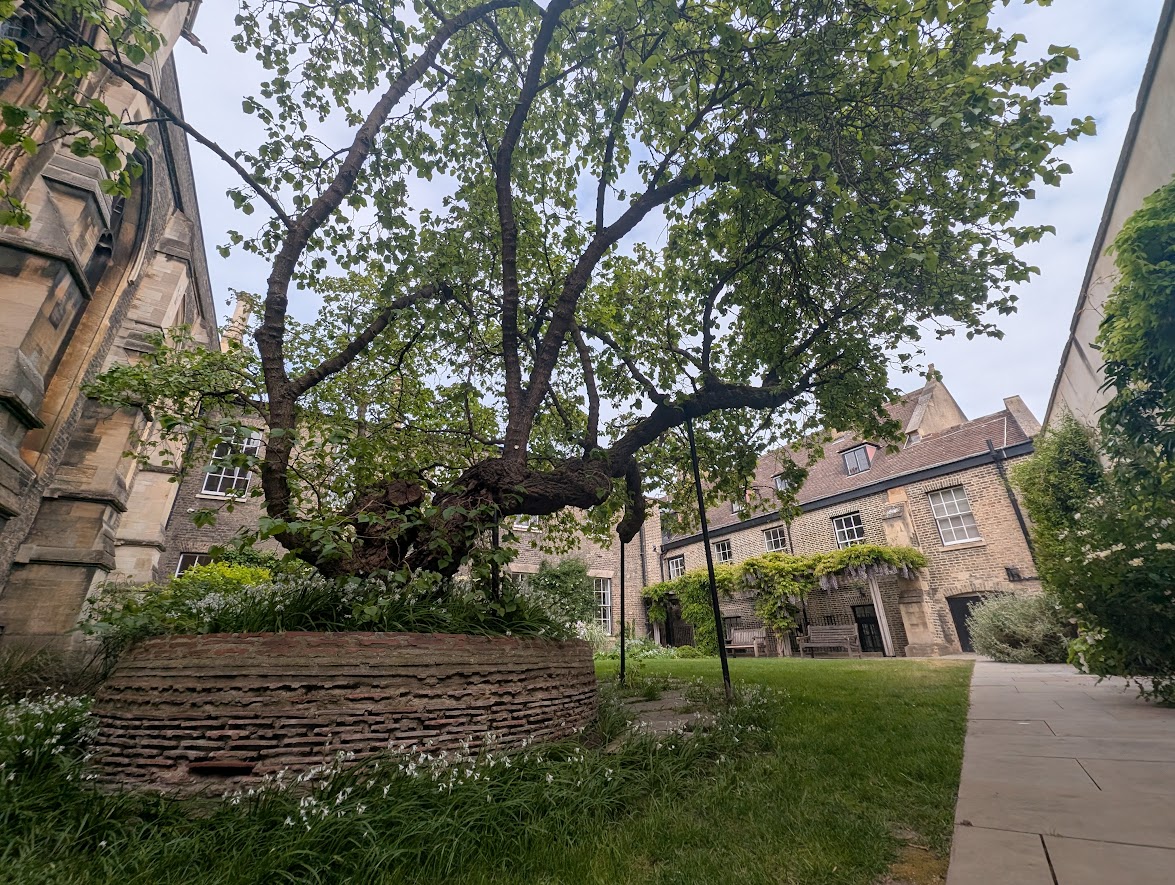
Decay Investigation, Stability & Vitality Monitoring
We use the latest technology and software to help us make the best decisions.
When the condition of a tree has significant implications for development, planning, safety or long-term management, decisions should be informed by objective evidence rather than visual assessment alone. We combine arboricultural expertise with advanced diagnostic technology to investigate internal decay, assess structural integrity, monitor stability and evaluate physiological performance. This evidence-led approach helps quantify risk, reduce uncertainty, provide clear recommendations where important trees may influence site layouts, access arrangements, or tree protection strategies, and inform appropriate management, at an early stage. We can provide an understanding of a tree's true condition, so developers, landowners and planning authorities can make proportionate decisions that balance both risk and development objectives with the retention of valuable tree assets.

PiCUS Sonic Tomography
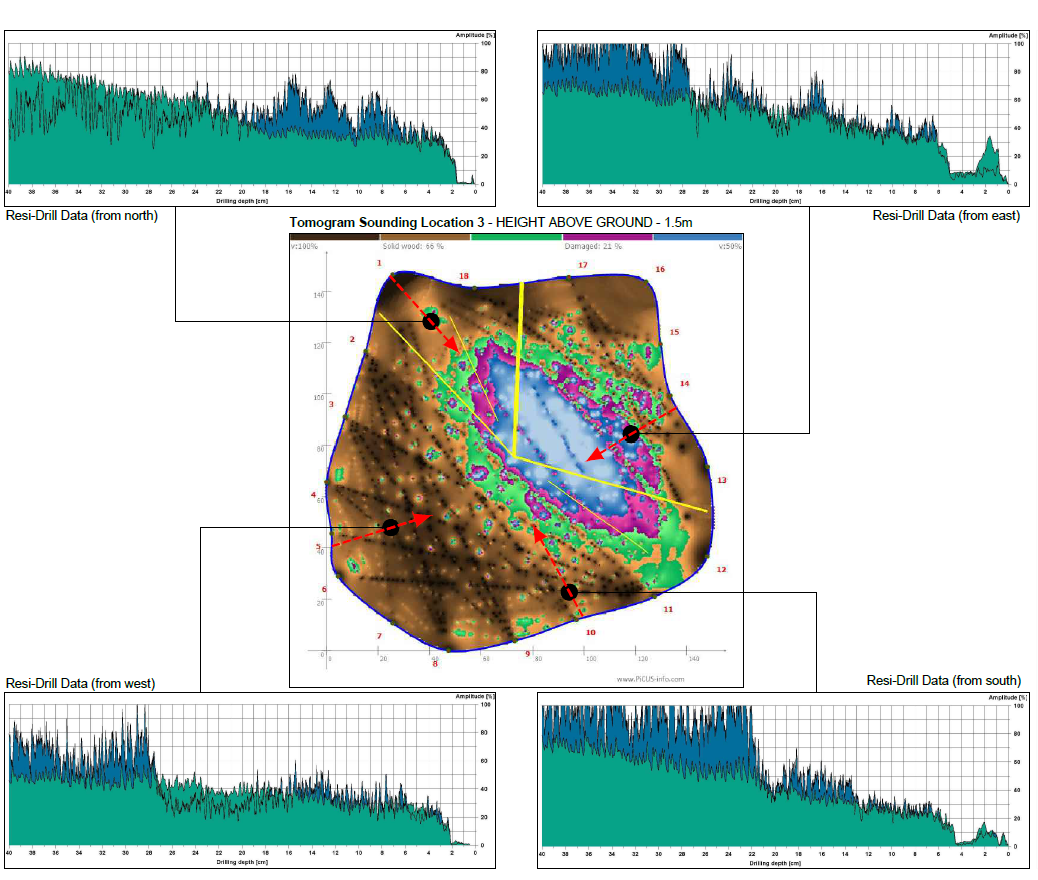
PiCUS Sonic Tomography provides a detailed assessment of the internal condition of a tree without causing significant damage. By measuring the transmission of sound waves through the stem, the system produces a cross-sectional image showing the distribution of sound wood, decay and cavities. This information enables us to quantify the extent and significance of defects rather than assume, and provide robust evidence where trees are afforded protection under a statutory designation, interface with the public, or influence development proposals and planning decisions. In many cases, tomography helps demonstrate that a tree can be retained safely, allowing greater flexibility in site design or help mitigate the risk of future hazards and apprehension. Equally, where significant defects are identified, the information supports informed decisions regarding management, engineering solutions or removal.
Resistograph Investigations
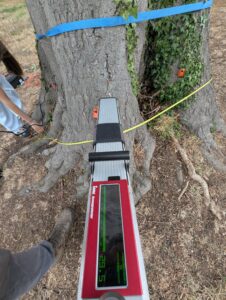
Resistograph testing allows us to measure variations in wood density using a fine drill probe, identifying the precise location and extent of internal defects. The technique is particularly effective for investigating decay, cavities, cracks and areas of dysfunctional wood that cannot be confirmed through visual inspection alone. Aspect use Resistograph testing alongside tomography, to provide a greater understanding of residual wall thickness and load-bearing capacity of a tree. The information obtained helps determine whether a structural defect represents an acceptable level of risk, supports planning and insurance investigations, and assists in developing proportionate management recommendations that avoid unnecessary tree loss.
Vitality Monitoring
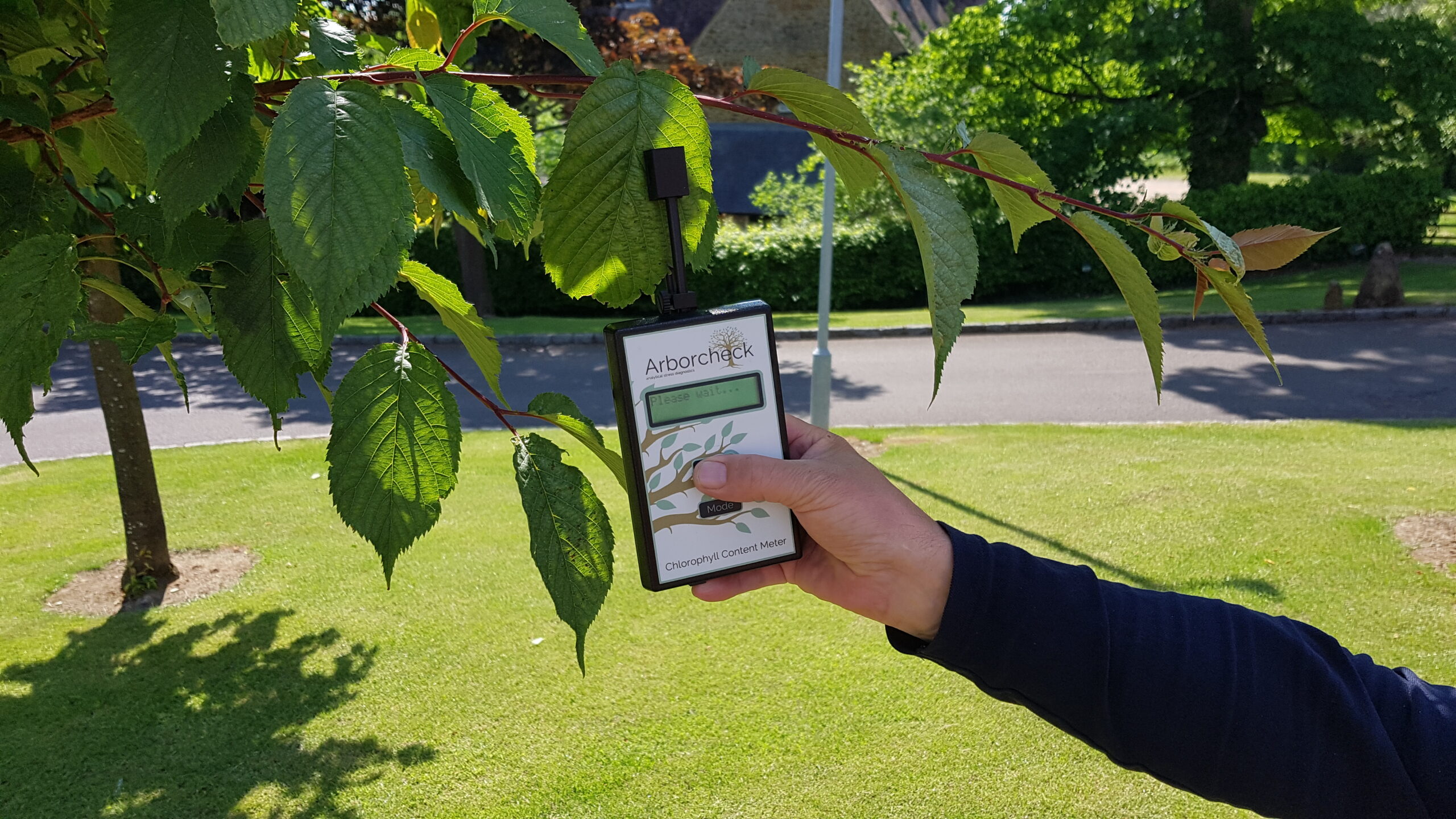
The long-term suitability of a tree depends not only on its structure but also its physiological condition and capacity to respond to changing environmental pressures. Aspect use ArborCheck technology, to monitor key indicators of tree vitality over time, allowing trends in health, stress and recovery to be assessed objectively. This approach is particularly valuable where trees may be affected by development activity, altered ground conditions or ongoing decline. We provide measurable evidence of a tree's health and resilience, through vitality monitoring than can inform decisions regarding retention, and future management. These findings can help determine whether important trees are likely to remain sustainable assets within a proposed development or provide valuable evidence where a tree’s future viability is a consideration.
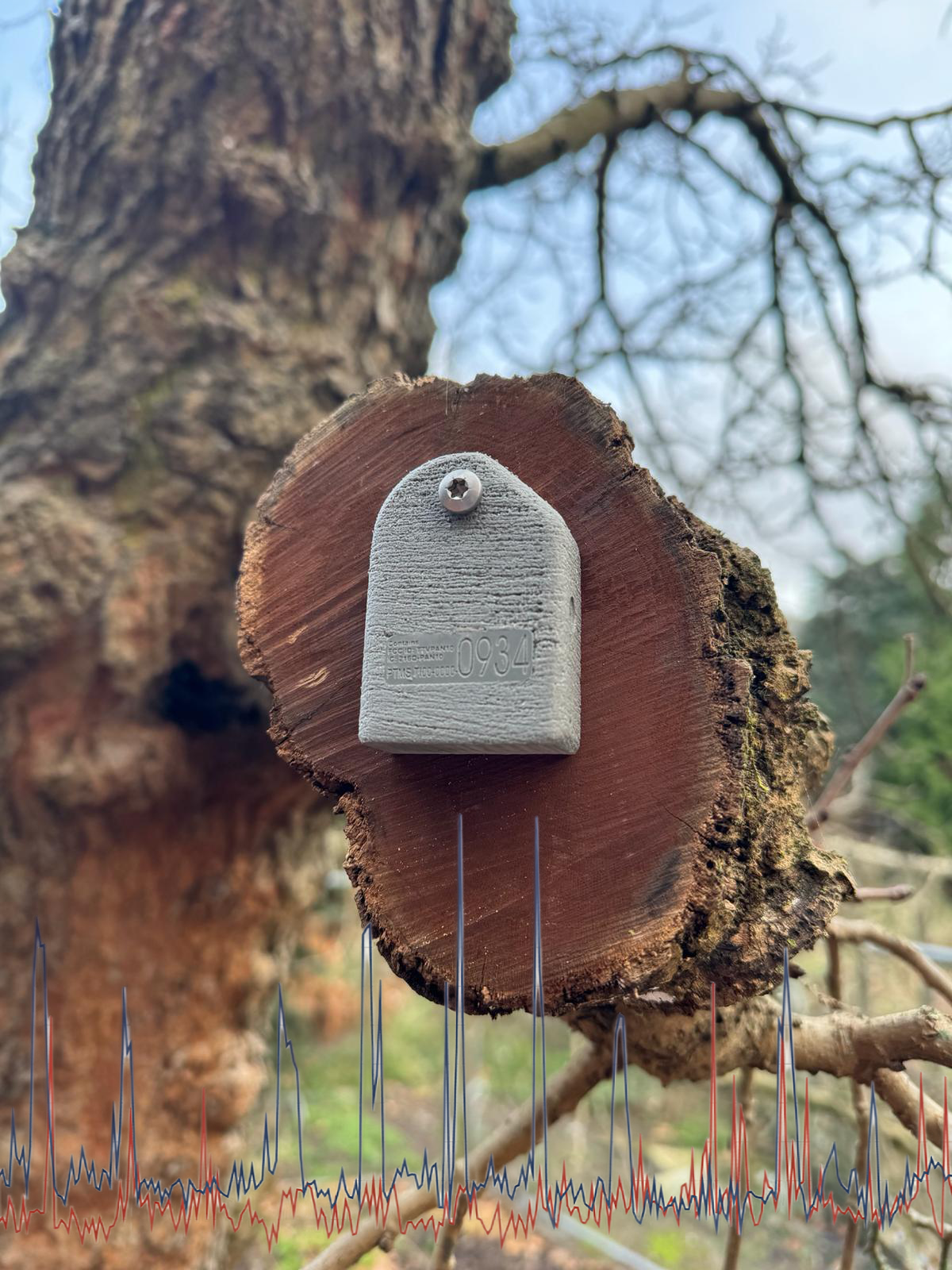
Stability Monitoring
Aspect utilises PiCUS Tree Motion Sensors to continuously monitor a tree’s response to wind loading and other environmental forces under real site conditions. The system allows us to measure stem and root plate movement over time and provide objective information on structural behaviour and stability that cannot be obtained through visual assessment alone. This data is particularly valuable where mature trees occupy key positions within the public domain, or a development site, and are influencing building locations, access points or areas of high public use. Rather than relying on precautionary assumptions, monitoring allows us to make decisions based on measured performance. In many cases, the evidence supports the retention of important trees whilst providing reassurance that risk management solutions remain appropriate.
Soil Testing, Ground Amelioration & Nutrition
The condition of the rooting environment is often the determining factor in a tree's long-term health and sustainability. Soil compaction, poor aeration, nutrient deficiencies, altered drainage and biological pathogens can all contribute to decline, particularly where development pressures are present. Before recommending removal, we investigate opportunities to improve site conditions through soil testing to inform appropriate ground amelioration and targeted nutritional treatments. Measures may include soil decompaction, organic matter incorporation, mycorrhizal enhancement and the application of products such as potassium phosphite and Trichoderma where necessary. These interventions can improve vitality, encourage root development and enhance resilience, helping to secure the retention of important trees that contribute to site character and value. Where successful, such measures can influence design decisions by reducing the need for extensive mitigation, supporting retention-led layouts and demonstrating a proactive approach to tree management during the planning process.