Ground Investigations & Site Services
It is part of the proportionate approach and the evidence based approach that we have endorsed and fostered, or that defines us
Some projects demand a greater level of evidence than what can be obtained through a desk-based assessment or visual inspection alone. As part of our evidence-led approach, we undertake targeted ground investigations to understand how trees interact with the site in practice rather than relying solely on theoretical root distribution models. By examining actual rooting environments, soil profiles and site constraints, we provide robust technical evidence that informs planning decisions, supports negotiations with local authorities and helps resolve situations where tree constraints may affect development potential. These investigations can be applied across all types of projects of varying complexities, where a forensic understanding of below-ground conditions can influence site layout, foundation design, access arrangements and service routes. In many cases, the findings allow design teams to optimise a scheme around the true extent of tree constraints rather than theoretical assumptions, helping unlock development opportunities whilst retaining valuable trees.
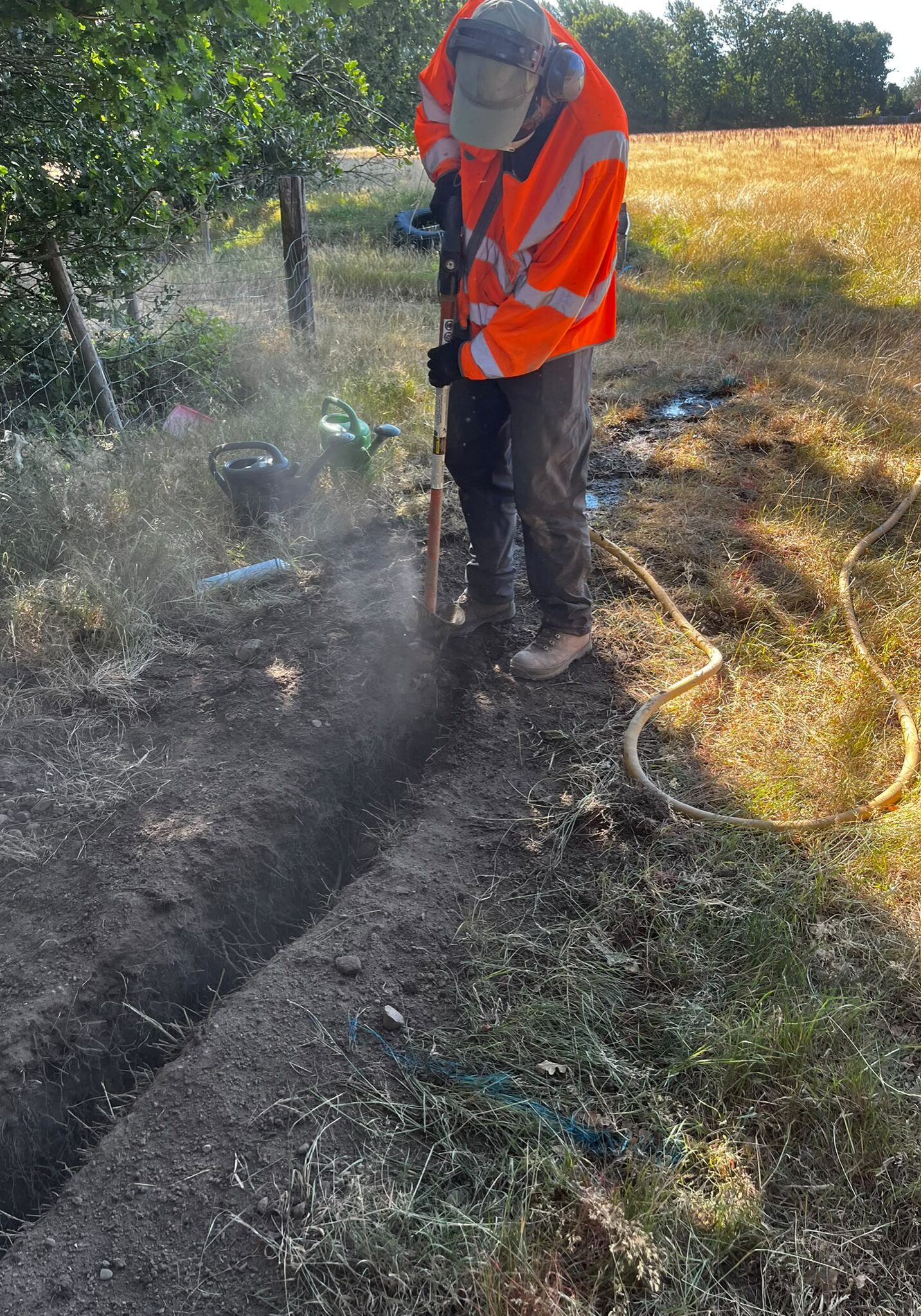
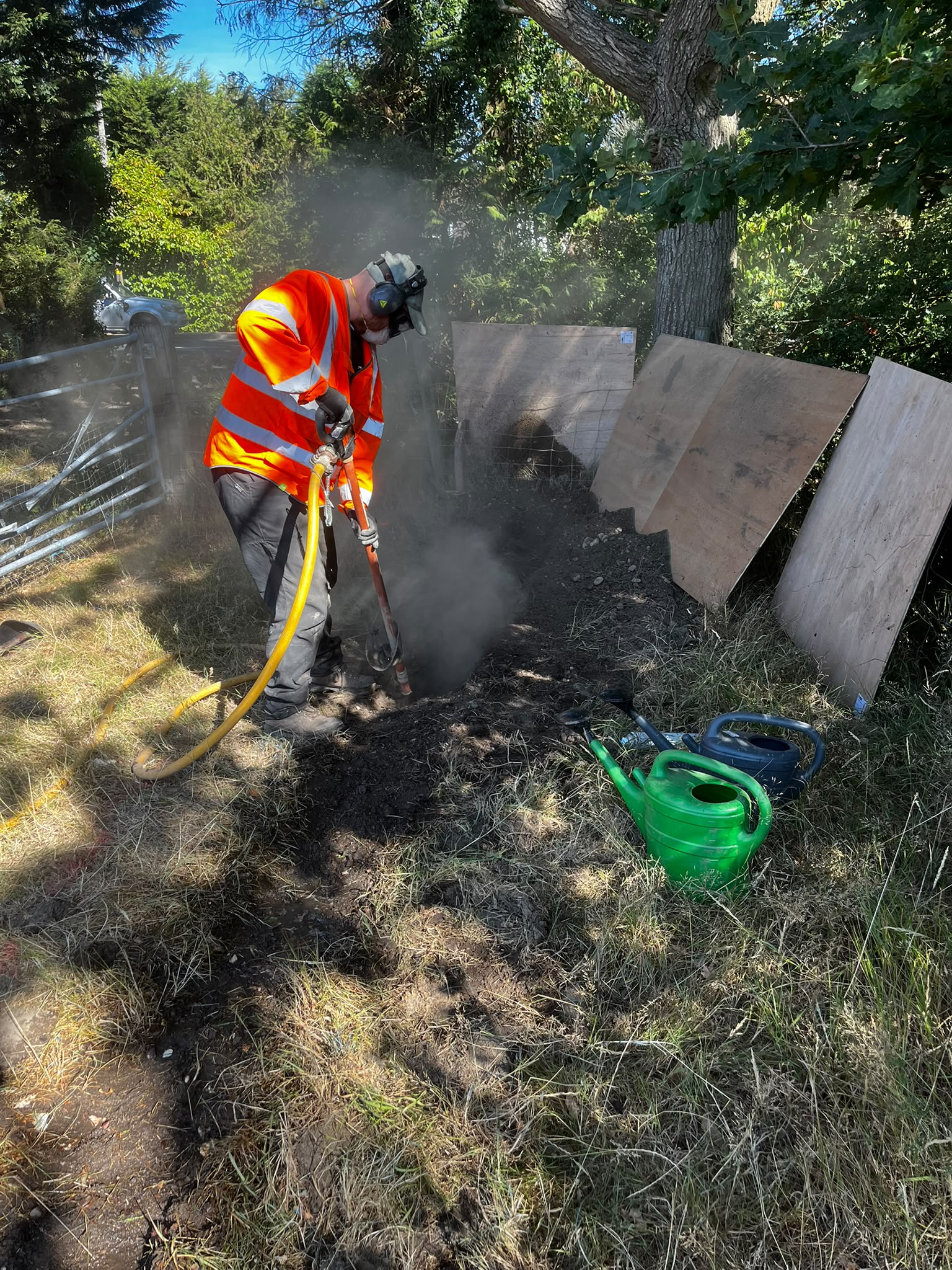
Air Spade Root Investigation
Aspect employs a precautionary approach to ground investigation by excavating with compressed air via an Air Spade. This industry approved methodology allows us to expose roots safely without causing significant damage, enabling us to accurately assess root distribution, rooting depth and the presence of structurally important roots within areas proposed for development. Where theoretical Root Protection Areas can appear restrictive, our Air Spade excavations provide site-specific evidence of actual rooting patterns, enabling constraints to be assessed with far greater accuracy than generic calculations alone. The findings are recorded and plotted onto technical drawings, creating a clear evidence base that can influence building footprints, access routes, drainage runs, utility corridors, retaining structures and foundation solutions. By identifying where significant roots do, and equally do not, occur, Air Spade investigations often create opportunities to refine layouts and demonstrate that development can proceed without unacceptable impacts on retained trees.
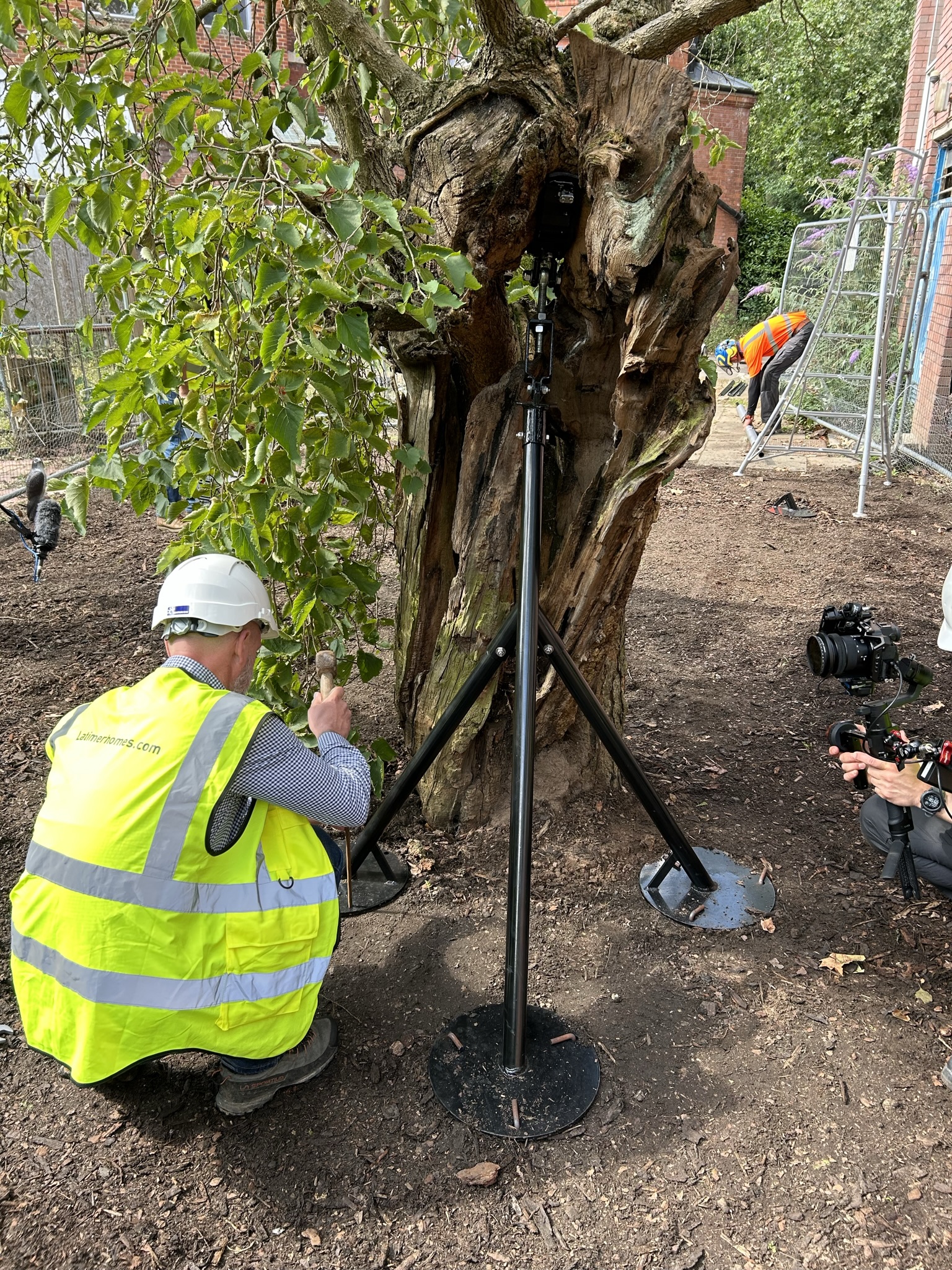
Site Supervision & Arboricultural Watching Brief
Development adjacent to retained trees frequently requires specialist supervision to ensure works are carried out in accordance with approved arboricultural methodologies and planning requirements. We provide site supervision and arboricultural watching briefs throughout all stages of development, from ensuring compliance with approved tree removals, installing protective fencing and preparing construction exclusion zones right through to project completion. Our role includes monitoring approved tree protection measures, advising contractors on working within Root Protection Areas and overseeing specialist construction mitigation techniques, designed to minimise impacts on retained trees.
Active arboricultural supervision significantly reduces project risk by identifying issues before damage occurs, ensuring planning conditions are complied with and providing immediate technical advice when unexpected site conditions are encountered. Detailed records of inspections, observations and recommendations create a clear audit trail for local planning authorities, developers and project teams, throughout the construction process. This proactive approach helps avoid costly delays, enforcement issues, and unintended tree damage, ensuring development can proceed efficiently, whilst providing confidence that retained trees remain protected and viable as a long-term amenity asset.